
PESCI Interview Success: Your 2025 IMG Career Roadmap for Australia
Introduction
There is a very clear moment in an IMG’s life when Australia stops feeling distant and starts to feel real: the email confirming a PESCI interview date. From that point, the countdown begins, and years of training and sacrifice feel as if they sit inside a single conversation on Zoom.
Many IMGs say the PESCI feels tougher than any written exam. The questions are not just about diagnosis and treatment; they also test Australian guidelines, the health system, medico‑legal rules, and communication standards that may be quite different from previous practice. Every answer is judged in real time by experienced Australian GPs, so the pressure feels intense.
We see the PESCI as more than a hurdle. It is a focused, position‑specific assessment that allows an IMG to show they are safe, clear, and ready for Australian general practice. This guide, PESCI Interview Success: Your 2025 IMG Career Roadmap for Australia, breaks the interview into practical parts so preparation feels organised instead of random.
“Medicine is a science of uncertainty and an art of probability.” — Sir William Osler
That mix of science and judgement is exactly what PESCI examiners are looking for.
LearnMedicine connects this exam to the bigger picture, with AMA‑CPD Home Approved courses , weekly live practice, recall‑based scenarios, and a lifetime IMG community. By the end of this article, you will have a clear plan—and a realistic support system—for turning your PESCI date into the first day of work in Australia.
Key Takeaways
-
PESCI is position‑specific. It tests whether you can work safely in one particular job, not in every clinic in the country. Strong preparation focuses on that clinic’s location, resources, and patient mix.
-
Medical facts alone are not enough. Examiners listen for safety‑first reasoning, clear explanations, guideline‑based management, and plans that fit local resources and follow‑up arrangements.
-
Preparation must link three areas: Australian clinical guidelines (for example the RACGP Red Book, National Immunisation Program, and Therapeutic Guidelines), the exact practice context, and repeated scenario practice with structured feedback.
-
Timing matters. PESCI outcomes are valid for 12 months and tied to a specific role. With LearnMedicine’s all‑access membership, IMGs get help with timing, AMC and PESCI preparation, CV and cover‑letter review, and community support throughout their Australian career plan.
Understanding The PESCI: Your Gateway To Australian General Practice

The Pre‑Employment Structured Clinical Interview (PESCI) sits at the centre of many IMG registration pathways. The Australian Health Practitioner Regulation Agency (AHPRA) and the Medical Board of Australia require it for certain general practice positions, especially when an IMG seeks limited or provisional registration. Without a PESCI pass, registration for that job usually cannot proceed.
The key idea is simple: the Board wants to know whether you are safe and suitable for this role, not whether you can pass a broad theory exam. Scenarios are written around the clinic where you will work—perhaps a rural mixed‑billing practice with high chronic disease rates, or a city clinic with large refugee communities and complex mental health needs.
This makes the PESCI different from other IMG assessments:
-
the AMC Clinical Exam tests broad clinical competence
-
workplace‑based assessments during fellowship focus on performance over time
-
the PESCI is a structured, one‑off interview asking, “Can this doctor step into this role and practise safely under supervision from day one?”
In most pathways, a successful PESCI comes after AMC assessments and before AHPRA registration. From there, doctors move into supervised work and then into programs such as the RACGP Fellowship Support Program (FSP) or the ACRRM Independent Pathway. Seeing the PESCI as one gate on this path helps it feel like part of a career plan rather than a random obstacle.
Who Must Undertake A PESCI? Eligibility And Requirements
A PESCI is usually required when all of the following are true:
-
you are an International Medical Graduate
-
you are applying for a general practice role
-
you are seeking limited or provisional registration, not full general registration
Changing jobs can change requirements. Moving from one clinic to another, or from a metropolitan setting to a remote one, may trigger a new interview if the responsibilities or context differ significantly. It is wise to confirm PESCI needs:
-
when reading job advertisements
-
before signing a contract
-
before lodging an AHPRA application
If there is any doubt, written clarification from the Medical Board is the safest guide, and LearnMedicine mentors routinely direct members back to those primary sources.
The PESCI Format: What Happens During Your Interview
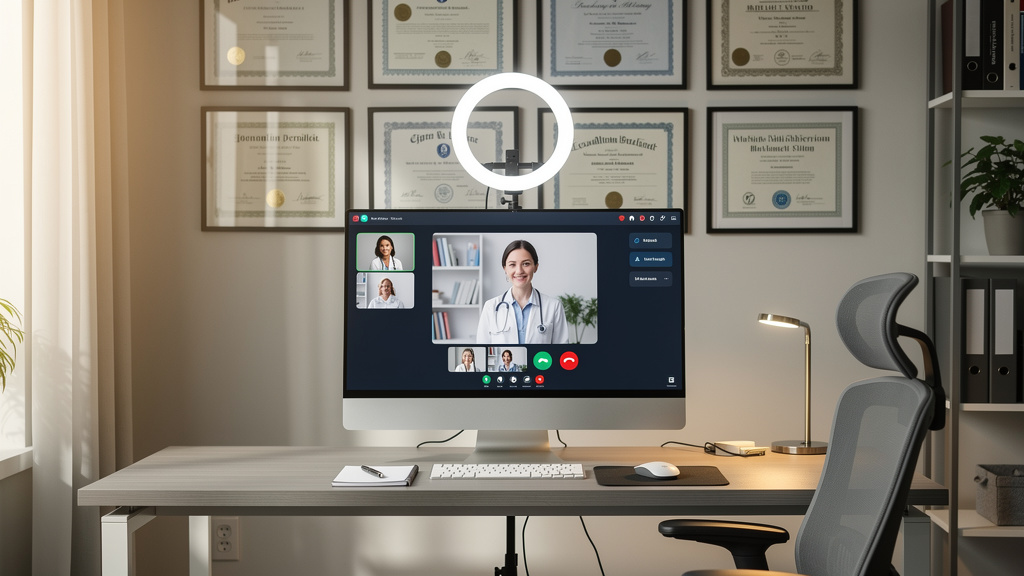
Knowing the structure of the PESCI turns a vague fear into a concrete task. Most RACGP‑run PESCIs are conducted online via Zoom with a panel of experienced GPs and, at times, other health professionals trained in structured assessment.
A typical interview includes:
-
Around five clinical scenarios
-
Three minutes of reading time for each case
-
About ten minutes of discussion per scenario with the panel
Cases mirror common general practice presentations and are written for your actual job. A doctor heading to a remote clinic may face limited on‑site resources and long transfer times, whereas a metropolitan candidate might see complex multimorbidity, heavy mental health demand, and language barriers.
Questioning is active and responsive. Examiners may introduce:
-
new information (for example, deteriorating vital signs)
-
extra investigation results
-
questions about why you chose or rejected certain tests, referrals, or medications
Time management is vital. You must move from focused history and examination to differentials, investigations, management, and follow‑up without losing structure or safety. LearnMedicine’s recall‑based mock PESCIs mirror this format so candidates can practise under realistic time pressure.
The Four Core Assessment Domains: What PESCI Examiners Evaluate
PESCI examiners are not testing whether you sound like a textbook. They are asking a simpler, sharper question: Would I be comfortable sending my own family to this doctor in this clinic? To answer that, they assess four connected domains:
-
Clinical reasoning and management
-
Communication and patient‑centred care
-
Australian healthcare system knowledge
-
Professional, ethical, and cultural competence
“Think of the PESCI as a structured conversation about whether you can practise safely in this specific job, on this specific Monday morning.”
Each scenario usually touches multiple domains at once. A child protection case, for example, tests your assessment skills, legal knowledge, communication with distressed parents, and awareness of local referral pathways. Because of this overlap, good preparation is integrated rather than divided into isolated topics—exactly how LearnMedicine designs its recall‑based scenarios.
Clinical Reasoning And Management Skills
Examiners listen closely to how you move from data to decisions. They look for:
-
focused history‑taking that actively screens for red flags
-
a short, prioritised list of differential diagnoses with reasons
-
investigations that match your reasoning and local access
-
guideline‑based management, including non‑drug care
-
realistic safety netting and follow‑up
-
statements about when you would call a supervisor, refer, or transfer
Red‑flag detection sits at the centre of this domain. Saying out loud that you are checking for features of myocardial infarction, cauda equina syndrome, suicidal ideation, sepsis, or ectopic pregnancy shows examiners that patient safety is constantly in mind.
Communication And Patient-Centered Care

Communication often separates a borderline performance from a clear pass. Examiners expect you to:
-
build rapport by introducing yourself, using the patient’s name, and acknowledging their concerns
-
use plain language, not unexplained jargon
-
check understanding and invite questions
-
show genuine empathy, especially in mental health, grief, or domestic violence cases
“The single biggest problem in communication is the illusion that it has taken place.” — George Bernard Shaw
PESCI scenarios often feature low health literacy or language barriers. You are expected to mention professional interpreters (not family members or children), explain how you would work with them, and still keep the patient at the centre of decisions. Clear, concise communication with colleagues—particularly in referrals and handovers—is another important sign of safe practice. Because the interview is on Zoom, eye contact with the camera, steady pace, and attentive body language also matter.
Australian Healthcare System Knowledge
Strong plans fit the Australian system. Examiners expect working knowledge of:
-
the RACGP Red Book for preventive care and screening
-
the National Immunisation Program schedule, including catch‑up strategies
-
Therapeutic Guidelines, especially antibiotics and pain management
-
Medicare structures (for example, chronic disease items, care plans)
-
the Pharmaceutical Benefits Scheme (PBS) and medication affordability
-
local referral pathways, which differ in rural and metropolitan areas
You do not need to memorise every page, but you should be able to use these tools in common situations—for example, planning cardiovascular risk assessment, selecting first‑line antibiotics, or arranging allied health involvement in chronic disease.
Professional, Ethical, And Cultural Competence
Australian practice places strong emphasis on professional behaviour and cultural safety. Examiners look for:
-
recognition of mandatory reporting triggers (child protection, elder abuse, domestic and family violence)
-
sound handling of consent and confidentiality, including with teenagers and patients with impaired capacity
-
awareness of professional boundaries, particularly in small communities
-
culturally safe care for Aboriginal and Torres Strait Islander peoples, including respectful history‑taking and shared decision‑making
LearnMedicine uses realistic cases to rehearse these themes so that, under pressure, you can describe clear steps—such as seeking senior advice, documenting carefully, and following local protocols—rather than speaking in vague generalities.
Your Strategic PESCI Preparation Roadmap: The 8-Week Plan
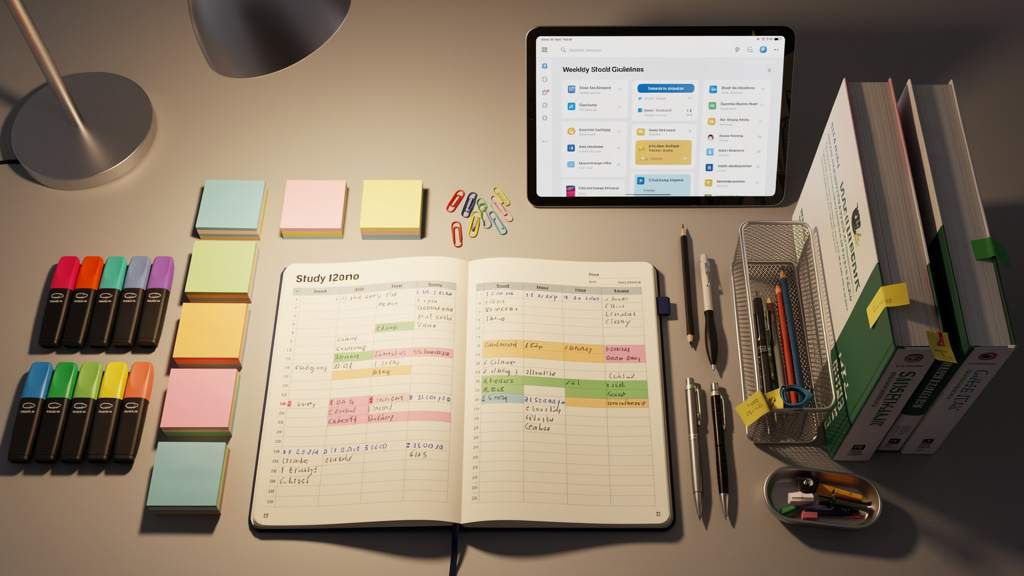
A clear timeline turns vague intention into daily action. This 8‑week PESCI preparation plan assumes you already have a solid clinical base and now need to adapt it to Australian general practice and the PESCI format. Treat it as a framework you can stretch or compress based on your circumstances.
LearnMedicine’s all‑access membership fits neatly around this structure. Weekly live classes, recall‑based cases, and Telegram discussions give you an organised path instead of self‑study guesswork.
Weeks 1–2: Foundation Building And Context Analysis
Start by understanding the exact job you are interviewing for:
-
read the position description slowly; note age groups, services, and special interests (for example, skin cancer, women’s health, aged care)
-
study the practice location: rural or metropolitan, DPA status, hospital distance, ambulance access, Indigenous population, and key public health issues
In parallel, begin systematic guideline review:
-
RACGP Red Book: preventive activities, screening intervals, risk assessments
-
National Immunisation Program: infant, adolescent, adult vaccines and catch‑up rules
-
Therapeutic Guidelines: especially antibiotics and analgesia in general practice
Complete a quick self‑assessment of strengths and gaps—acute care, chronic disease management, mental health, communication—and plan extra reading where you feel least confident. Many IMGs join LearnMedicine’s PESCI course at this stage so that their early study aligns with an IMG‑focused, AMC‑accredited program.
Weeks 3–4: Clinical Guideline Mastery And Scenario Familiarization
Now move from reading to application. Focus on conditions that dominate your likely workload:
-
for rural or DPA clinics: diabetes, cardiovascular disease, COPD, asthma, chronic kidney disease, and addiction
-
for suburban family practices: paediatrics, antenatal care, women’s health, vaccines, and common infections
-
in most settings: depression, anxiety, suicide risk assessment, and chronic pain
For each condition, practise linking:
-
assessment and diagnosis
-
pharmacological and non‑pharmacological treatment
-
recall systems, review intervals, and preventive care
Map referral options: nearest hospitals, mental health services, allied health providers, telehealth services, and visiting specialists. Begin daily short scenarios (for example, chest pain, dyspnoea, abdominal pain, suicidal ideation, paediatric fever, antenatal visit) and talk through them out loud in a structured order. LearnMedicine’s live sessions at this point help you compare your structure with examiner expectations.
Weeks 5–6: Intensive Practice And Feedback Integration
By now, guidelines should feel familiar. The focus shifts to performance under pressure:
-
aim for 3–5 timed scenarios per day
-
record yourself on video and review for clarity, organisation, and body language
-
practise with peers or mentors who can ask probing follow‑up questions
Pay special attention to:
-
explicit red‑flag screening in every case
-
clear statements about when you would call an interpreter
-
specific safety‑netting and review plans
-
honest acknowledgement of limits, plus how you would seek help
This is the ideal time for one or more full mock PESCIs. LearnMedicine offers coaching sessions that copy timing, panel style, and scoring. After each mock, choose two or three precise habits to improve (for example, slower pace, earlier red‑flag questions, clearer summary) and target them in the next practice block.
Week 7: Position-Specific Focus And Common Pitfall Avoidance
With the exam close, narrow your study to match your actual job offer:
-
for rural or remote roles: practise cases with delayed presentations, limited imaging, long transfer times, and patients who may refuse hospital transfer
-
for metropolitan clinics: rehearse mental health crises, domestic and family violence, refugee health, multimorbidity, and complex medication regimens
Revisit ethical and legal scenarios: suspected child abuse, elder neglect, domestic violence disclosures, impaired drivers, and fitness‑to‑work assessments. Practise culturally safe consultations, especially with Aboriginal and Torres Strait Islander patients, focusing on respect, trust, and shared decisions.
Use strict ten‑minute limits for each scenario and deliberately watch for classic traps—over‑investigation, under‑investigation, missing red flags, or forgetting safety netting. In LearnMedicine’s final live sessions, recent themes from examiner feedback are discussed so your last‑week effort is sharply focused.
Week 8: Final Refinement And Confidence Building
The final week is for polishing, not cramming. Aim for:
-
two or three full mock interviews, with rest days between them
-
light review of key summaries: Red Book tables, immunisation schedule highlights, first‑line antibiotic choices, mandatory reporting triggers
Prepare the practical side:
-
test Zoom on the actual device you will use
-
check audio, camera angle, lighting, and background
-
have a printed or digital checklist of key points for a quick glance before the exam, not for reading during it
Protect your mental state: maintain sleep, use brief breathing exercises, and give yourself time away from medicine the day before. Many IMGs draw encouragement from LearnMedicine’s community during this week, knowing others are sitting the same assessment. By interview day, your preparation should feel organised rather than last‑minute.
Common PESCI Pitfalls And How To Avoid Them
Each year, strong clinicians miss a PESCI pass because they fall into familiar patterns—usually around safety, structure, or communication—rather than a lack of basic knowledge. Understanding these patterns is one of the fastest ways to improve performance.
Many problems come from what candidates fail to say: missing key red‑flag questions, not stating safety netting, ignoring interpreters, or giving plans that do not match local resources. Others relate to style, such as speaking too fast, arguing with the panel, or refusing to admit uncertainty.
LearnMedicine builds these pitfalls into practice scenarios, then shows IMGs how to repair them in real time so the same issues are less likely to appear on interview day.
Clinical Reasoning Pitfalls
Common errors include:
-
Unstructured differentials – reciting long lists without linking them to the actual case
-
Missed red flags – failing to ask about chest pain on exertion, weight loss, suicidal thoughts, or red‑flag back pain features
-
Over‑ or under‑investigation – ordering large panels of tests without justification, or skipping basic tests in high‑risk presentations
-
Unsafe prescribing, especially with antibiotics or opioids
-
No safety netting – giving a plan without clear review arrangements or warning signs for deterioration
-
Premature closure – fixing on one diagnosis too early and ignoring new information
A simple way to guard against these issues is to use a spoken checklist: confirm red‑flag screening, state at least one alternative diagnosis, justify each investigation, and finish with explicit follow‑up and escalation plans.
Communication And Contextual Pitfalls
Other candidates stumble because of how they speak rather than what they know. Typical issues are:
-
heavy medical jargon without checking understanding
-
silence about professional interpreters when language barriers are obvious
-
plans that ignore a patient’s social situation, finances, or transport
-
minimal empathy in sensitive areas such as mental health, grief, or domestic violence
-
vague, incomplete referrals that could lead to fragmented care
-
weak Zoom presence: poor eye contact, rushed speech, or visible distraction
In LearnMedicine’s counselling and communication sessions, IMGs practise turning technical ideas into plain language, introducing interpreters, and adapting plans to real‑world constraints—skills that impress PESCI examiners and help in daily practice.
Navigating PESCI Logistics: Application To Results
Good clinical preparation can be undermined by poor organisation. Understanding how applications, dates, and results work removes another layer of stress and helps you coordinate PESCI with AMC exams, visas, and family plans.
LearnMedicine’s career guidance sessions often include PESCI timing, so members can place the interview sensibly within their wider registration and relocation schedule.
Application Process And Timeline
The best time to apply is when you can realistically be ready within 4–12 weeks. Applying far earlier may bring an interview date before you feel prepared; waiting too long may delay your job start.
A complete application usually includes:
-
a formal job offer or contract
-
a detailed position description
-
evidence of medical qualifications and registration status
-
any additional documents listed by the PESCI provider
If all documents are in order, applications are typically processed within around 10 business days. Dates are then allocated based on availability. Interviews are scheduled in AEST or AEDT, so always confirm the time in your own location.
Rescheduling, Validity, And Results
Rescheduling is possible only with clear notice—often at least 20 business days—and usually attracts a non‑refundable administration fee (for RACGP PESCIs this is currently around $450). Accepting a date you can reasonably keep is therefore important.
After the interview, candidates generally receive an outcome report by email within 15 business days. Check spam or junk folders during this period. The report:
-
states whether you have passed or not passed
-
may comment on performance across key domains
PESCI reports are valid for 12 months from the issue date and are tied to the specific position described in the application. Using one report for a new job is only possible if the Medical Board agrees that the roles are sufficiently similar. If the report expires, or the new role is substantially different, a fresh PESCI is usually required. Once you have a pass, the next step is to complete your AHPRA registration application.
Your Post-PESCI Career Pathway: From Registration To Fellowship

Passing the PESCI is a major step, but it is still only part of your Australian career story. After this assessment, attention shifts to registration, supervised work, and movement toward fellowship.
Most IMGs will sit the PESCI after AMC assessments and before starting work on limited or provisional registration. The Medical Career Pathway for IMGs involves multiple stages of assessment and supervised practice before achieving full fellowship status. They then progress through structured programs—often the RACGP FSP or ACRRM Independent Pathway—toward FRACGP or FACRRM and, eventually, general registration and independent practice. Throughout, continuing professional development (CPD) and safe, reflective practice remain essential.
LearnMedicine supports this full pathway with AMA‑CPD Home approved activities, clinical teaching, and ongoing career guidance, so the PESCI pass becomes part of a wider, coherent plan.
Immediate Next Steps: AHPRA Registration
Once you receive a positive PESCI report, the priority is to complete your AHPRA registration application. The report is used as evidence that you are suitable for that specific supervised general practice role.
Your application will also include:
-
proof of your medical degree and internship
-
records of postgraduate training and experience
-
evidence of English language proficiency (where required)
-
identity documents and certificates of professional standing
Depending on your background, you may apply for limited or provisional registration, each with its own supervision and reporting requirements. Processing can take several weeks, so submitting a complete application as early as possible is wise. LearnMedicine’s registration pathway content and checklists help IMGs organise this stage while also managing visas, relocation, and family commitments.
Fellowship Pathways: RACGP FSP And ACRRM
With registration granted and work underway, the focus moves to fellowship:
-
The RACGP Fellowship Support Program (FSP) supports doctors aiming for broad general practice across Australia. It combines education, supervision, workplace‑based assessment, and exam preparation leading to FRACGP.
-
The ACRRM Independent Pathway concentrates on rural and remote medicine, with strong emphasis on emergency care and procedural skills, leading to FACRRM.
Both pathways use tools such as multi‑source feedback, case‑based discussions, clinical audits, and direct observation to monitor progress. CPD requirements continue throughout training and after fellowship is achieved.
LearnMedicine’s all‑access membership offers AMC‑accredited CPD, exam‑focused teaching, and career advice that lines up with these training requirements, giving IMGs consistent educational support from pre‑PESCI through to fellowship.
Why Choose LearnMedicine For Your PESCI Preparation
With exams, job hunting, visas, and family logistics competing for attention, having one trusted educational home reduces stress. LearnMedicine exists specifically for IMGs aiming to practise in Australia, and every part of the platform is built around that goal.
As an AMC‑accredited CPD Home, LearnMedicine meets high standards for educational quality and relevance. Our all‑access membership brings together:
-
PESCI preparation and AMC Clinical support
-
structured CPD activities mapped to Australian practice
-
weekly live interactive sessions with recall‑based scenarios
-
detailed reasoning demonstrations and examiner‑style feedback
Beyond teaching, we also assist with the practical sides of career progress. IMGs can access CV and cover‑letter review, guidance on AHPRA and PESCI timing, and realistic advice on registration pathways. A lifetime Telegram community connects doctors at every stage—from first AMC exam to fellowship training—who share recall experiences, tips, and honest reflections.
Rather than juggling multiple providers, members move through a single, continuous program of support. For IMGs serious about PESCI interview success and long‑term practice in Australia, LearnMedicine is designed to be the first and most reliable choice.
Conclusion
The PESCI can feel like a steep wall between you and Australian general practice. It tests how you think, how you communicate, how you use the Australian system, and how you handle ethical and cultural responsibilities—all under time pressure and direct observation.
When you break it down, however, it becomes manageable. Focused preparation means:
-
understanding the position‑specific nature of the interview
-
practising clear, safety‑focused clinical reasoning
-
speaking in plain language with empathy and cultural awareness
-
grounding every plan in Australian guidelines and local resources
-
rehearsing the format through timed scenarios and mock PESCIs
A pass then opens the way to AHPRA registration, supervised work, and fellowship programs such as the RACGP FSP or ACRRM Independent Pathway. Thinking of the exam as “PESCI Interview Success: Your 2025 IMG Career Roadmap for Australia” helps keep it connected to long‑term goals instead of treating it as a stand‑alone event.
LearnMedicine is built to walk that path with you—from AMC Clinical, through PESCI, and into supervised practice and CPD. With structured teaching, recall‑based scenarios, weekly live practice, personalised document review, and a supportive IMG community, you do not have to face this high‑stakes interview alone.
FAQs
How Long Does PESCI Preparation Typically Take?
Most IMGs need 8–12 weeks of focused PESCI preparation. The exact time depends on previous general practice experience and familiarity with Australian guidelines and the health system. Some doctors study intensively for 20–30 hours per week, while others spread 10–15 hours over a longer period; consistent, high‑quality practice matters more than raw hours.
Can I Use The Same PESCI Outcome For A Different Job?
PESCI outcomes are linked to a specific position and do not automatically apply to new roles. If a later job offer is very similar, you can ask the Medical Board of Australia whether your existing report can be used; the Board compares both roles and decides. For significantly different practice types or locations, a new PESCI is usually required.
What Happens If I Fail The PESCI?
A failed PESCI is a setback, not the end of an Australian career plan. You receive a report outlining which areas—such as clinical safety, communication, or system knowledge—did not meet the expected standard. There is no fixed waiting period before reapplying, but you should address those specific gaps first. LearnMedicine offers targeted coaching based on individual reports so that the next attempt feels sharper and more focused.
How Much Does The PESCI Cost?
PESCI fees vary between providers and change from time to time. The RACGP publishes current fees on its website, and you should confirm costs there before applying. Additional charges, such as a rescheduling fee (currently around $450 for RACGP PESCIs), may apply. Many IMGs also invest in preparation courses and mock interviews as part of their long‑term career investment.
Is PESCI Harder Than The AMC Clinical Exam?
The PESCI and the AMC Clinical Exam assess different things. The AMC Clinical covers broad clinical competence across many disciplines, using structured stations. The PESCI is narrower but digs deeper into one general practice job, Australian guideline use, and communication in complex, context‑rich scenarios, all judged by a small panel. Success in one exam does not guarantee success in the other, so each needs its own preparation plan.
Do I Need To Complete PESCI Before Or After The AMC Clinical Exam?
-
There is no strict rule, but most IMGs complete the AMC Clinical Exam first. AMC Clinical is a central requirement for many registration pathways, while the PESCI is tied to a confirmed job offer. A common sequence is: pass AMC Clinical, secure a suitable general practice role, sit the PESCI for that position, then start work once registration is granted. LearnMedicine’s all‑access membership supports this full sequence.
What Are The Most Common Reasons IMGs Fail PESCI?
Frequent reasons include:
-
missing important red flags
-
weak or absent safety netting
-
incomplete management plans
-
limited knowledge of Australian guidelines such as the Red Book or Therapeutic Guidelines
-
poor understanding of Medicare, the PBS, and referral pathways
-
communication problems, such as heavy jargon, low empathy, or failure to mention interpreters when language barriers exist
Answers that ignore social, cultural, or geographic context also worry examiners. Addressing these areas directly during preparation—something LearnMedicine builds into its teaching—greatly improves your chances of PESCI success.


 Google